Hearing Aids Potency in Sensorineural Hearing Loss
In India, the SNHL (Sensorineural Hearing Loss) is one of the most prevalent hearing issues among people. Sensorineural hearing loss happens when there’s damage to the inner ear or the auditory nerve. Sensorineural hearing loss is typically irreversible, in contrast to transient hearing problems brought on by wax or infections. Hearing aids in 2026 are a whole different game. They’re smaller, smarter, and recharge instead of running through batteries. Thanks to AI, these devices don’t just amplify sound; they actually help you to understand speech better, even in the busy, noisy streets of India.
According to the World Health Organization (WHO), “Deafness and hearing loss are widespread and found in every region and country. Currently, more than 1.5 billion people (nearly 20% of the global population) live with hearing loss; 430 million of them have disabling hearing loss. It is expected that by 2050, there could be over 700 million people with disabling hearing loss.”. WHO also mentioned that medium and low income countries face major burden due to limited access to hearing devices and hearing care.
In India hearing-related issues due to aging, high noise, earphones, diabetes, infection, stress are increasing. According to health reports and ENT specialists, young adults are also suffering from early hearing damage due to unsafe listening habits.
In such situations, choosing the right hearing aid becomes extremely important. But before discussing the best hearing aids available in India in 2026, one thing must be clearly understood- hearing aids should never be purchased only by looking at advertisements, YouTube videos, or online discounts. A hearing aid must always be selected after a proper hearing assessment by a qualified audiologist and ENT specialist.
What You Must Know About Sensorineural Hearing Loss
People experiencing sensorineural hearing loss often notice that:
- Speech sounds unclear or muffled
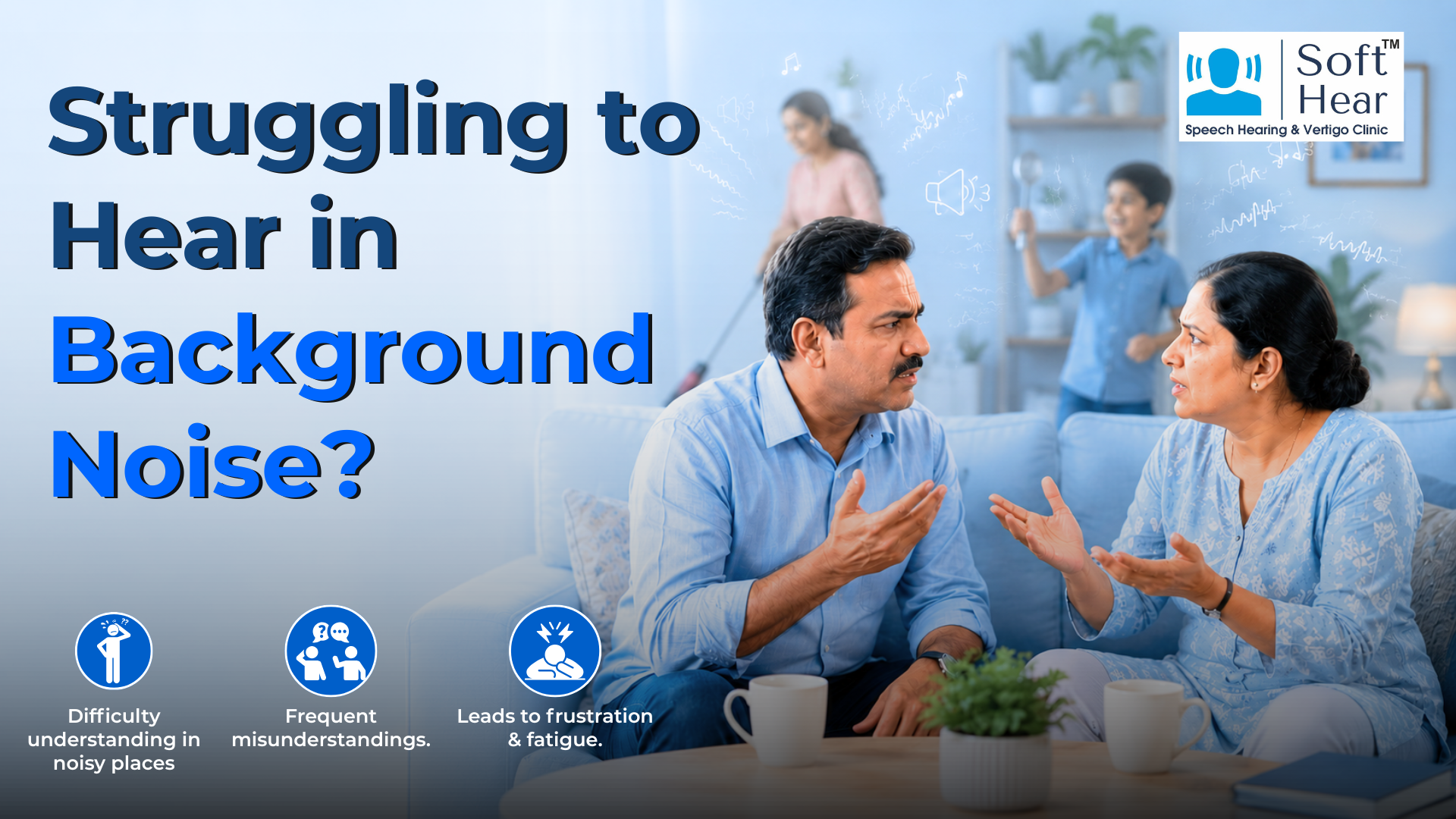
- Conversations become difficult in crowded places
- Television volume keeps increasing
- Mobile phone conversations feel unclear
- Children may show delayed speech responses
- Elderly people start avoiding social gatherings
Modern hearing aids do not “restore” natural hearing completely, but they significantly improve communication, confidence, and quality of life. Research and clinical observations show that early hearing aid usage can also reduce emotional isolation and cognitive strain in older adults. (World Health Organization)
Best Hearing Aid Brands for Sensorineural Hearing Loss in India 2026
1. Phonak – The Best Speech Clarity Overall
One of the most reliable brands of hearing aids for moderate to severe sensorineural hearing loss in India right now is Phonak. Speech intelligibility in noisy environments is particularly valued on their most recent Lumity and Infinio devices. Phonak hearing aids are appropriate for:
- Elderly People
- Professionals (Attending Meetings)
- People struggling with phone conversations
- People having trouble having phone conversations
Key Advantages:
- Outstanding improvement of speech
- Bluetooth connectivity that is universal
- Rechargeable models
- Good adjustment to the urban noise circumstances in India
Audiologists often recommend Phonak for patients who complain, “I can hear sounds but cannot understand words properly.”
2. Signia – Best for Natural Sound Processing and AI
It is highly popular because of its sleek designs and AI-driven sound technology. Signia Charge&Go series is especially useful for socially active users and working professionals.
Signia Devices Are Known For:
- Own Voice Processing (OVP)
- AI-powered speech enhancement
- Better listening comfort in crowded places
- Stylish and nearly invisible models
Recent expert discussions in hearing care articles have highlighted Signia’s immersive sound processing for patients with sensorineural hearing loss.
3. Oticon – Best for Brain Hearing Technology
Oticon focuses strongly on “BrainHearing” technology. Instead of amplifying only one sound source, Oticon devices help the brain process surrounding sounds more naturally.
These hearing aids are often suitable for:
- Elderly patients
- People feeling mentally exhausted after conversations
- Users sensitive to loud amplification
Oticon hearing aids are comfortable for long-term daily use and are highly appreciated for their natural listening experience.
4. Starkey – Best Smart Features
It got popularity due to the combine of hearing support and smart lifestyle technology.
Some advanced models now include:
- Health tracking
- Fall detection
- Language translation features
- Voice assistant support
- Smartphone Integration
Starkey provides a modern hearing experience more than simple amplification to active adults and tech friendly users.
5. Widex – Best for Natural Sound and Music
Widex is renowned for producing sound that is incredibly genuine. Widex is frequently preferred by vocalists, musicians, and people who are sensitive to artificial sound processing.
In particular, Widex hearing aids are helpful for:
- SNHL that is mild to moderate
- Fans of music
- People who don't enjoy loud digital audio
For extended listening, their sound processing is smoother and more comfortable
Widex is known for delivering very natural sound quality. Musicians, singers, and users sensitive to artificial sound processing often prefer Widex.
Battery vs. Rechargeable Hearing Aids
When it comes to hearing aids, the "invisible" kind isn't automatically better than other options. How well they work really comes down to what kind of hearing loss you have and what you need. These tiny hearing aids, like the completely-in-canal (CIC) and invisible-in-canal (IIC) models, tuck way back into your ear canal. This makes them super discreet and, because they use the natural curves of your ear, they can sound really natural. They can be a great choice for people with mild to moderate hearing loss, helping with things like less wind noise and making you feel more confident about how they look. But, because they're so small, they have their downsides.
They might not have as much power, their batteries don't last as long, and they often lack the fancy features found in bigger hearing aids, like behind-the-ear models. They might also be a tougher sell for folks with severe hearing loss, ears that are too narrow, or if you tend to get a lot of earwax. In the end, what really makes a hearing aid work well is getting the right diagnosis, having a professional qualified audiologist fit it properly, and making sure it's adjusted correctly over time, not just how big or small it is.
Are Invisible Hearing Aids More Effective?
Many patients request invisible hearing aids so no one notices. Invisible hearing aids have an appealing appearance but they are not suitable for all types of hearing loss .It may benefit when hearing loss is mild to moderate. However, Receiver-in-Canal (RIC) or Behind-the-Ear (BTE) devices provide higher clearer speech support and amplification, they typically perform better for severe sensorineural hearing loss.
Points to Consider Before Buying a Hearing Aid?
1. Get a Hearing Checkup
Make sure to get tests like Speech Audiometry and Pure Tone Audiometry, and any others your qualified audiologist and ENT specialist suggested to you.
2. How it's fitted matters more than the brand name
Even a fancy hearing aid won't work well if it's not programmed and fitted correctly. Experts say getting the right fit is more important than spending a lot on a well-known brand.
3. Try it out first
Always try out a hearing aid for a while before you decide to buy it.
4. Can you get help with it?
Look for brands that provide good support for programming, repairs, and service after you buy it in India.
5. Don't expect miracles
Hearing aids can help you hear better, but they won't make your hearing perfectly normal. You'll need time to get used to it.
India's Growing Need for Hearing Awareness
In India, there is still a significant disparity between individuals who require and receive hearing therapy. The World Health Organization points out that many poorer and middle-income countries just don't have enough hearing aids and hearing care services. Plus, there's still a lot of social shame around hearing loss. Many folks hesitate to get hearing aids because they're afraid of being judged or rejected. But not getting treatment can really mess with your relationships, how you feel about yourself, your mental well-being, how well you communicate at work, and even how sharp your mind is. Getting diagnosed and treated early can make a huge difference in how good your life is.
Conclusion
When it comes to finding the best hearing aid for sensorineural hearing loss in India in 2026, don't assume the most expensive one is automatically the best. The perfect hearing aid is really about what works best for you personally, considering how comfortable it is, your daily life, what you need to hear to communicate, and your specific hearing situation.
You'll find top brands like Phonak, Signia, Oticon, Starkey, and Widex leading the hearing care scene in India because of their cutting-edge technology and excellent sound. However, it's not just about the tech; it's equally important to have good advice, regular check-ups, a skilled audiologist to fit it properly, and a thorough hearing assessment.
Hearing is deeply connected to our feelings, how we talk to people, how confident we feel, and our relationships. Seeking help for hearing issues early on is actually a move towards a richer, more connected life, not something to be ashamed of.
Frequently Asked Questions (FAQs)
1. Can I Cure My Sensorineural Hearing Loss?
No, it is typically permanent, but it is highly manageable with advanced cochlear implants or hearing aids. The most important thing is finding the root cause, which can prevent further damage.
2. Can Sudden Sensorineural Hearing Loss (SSNHL) Be Reversed?
Yes, in some cases. In this case, people can regain all or some of their hearing spontaneously only if it is treated as a medical urgency. Immediate care and medical intervention are crucial.
3. What Causes Sensorineural Hearing Loss?
Aging, loud impulse sound (Noise trauma), viral infections (such as measles, mumps, or influenza), and some drugs (Antibiotics or chemotherapy medications) can cause Sensorineural Hearing Loss.
4. What Does Sensorineural Hearing Loss Feel Like?
In SNHL, a person feels like everyone is mumbling around him/her. A person would not be able to filter background sounds while hearing, high-frequency everyday sounds (raindrops, microwave beeps, birds chirping, etc.) fade first, and the sounds of high-pitched letters (s,f,th,t) disappear.
5. Why Does Sensorineural Hearing Loss Cause Dizziness or Vertigo?
It happens because organs responsible for balance and hearing share the same fluids and space inside the inner ear. When trauma, swelling, or disease affects the inner ear, then it affects the balance system and hearing too.