Introduction
One of the most common, yet overlooked, health concerns across the globe is hearing loss. The World Health Organization (WHO) estimates more than 1.5 billion people worldwide have some degree of hearing loss, and close to 430 million people require rehabilitation to address disabling hearing loss. This figure is projected to grow considerably by 2050 due to aging populations, increased exposure to noise and other health factors.
Fortunately, hearing aid technology has come a long way in the last decade. Gone is the bulky, expensive medical device of the past, replaced by a compact, smart and very effective solution. Many hearing aids today that are affordable have features once found only at the premium level, such as artificial intelligence, Bluetooth connectivity, rechargeable batteries, speech enhancement and automatic noise reduction.
But sound quality should never be compromised for the price. Many people make the mistake of buying cheap sound amplifiers or generic off-the-shelf devices, only to find that they amplify every sound the same, including background noise, making it even harder to hold a conversation.
In contrast, a digital hearing aid that has been professionally programmed is programmed to match an individual’s hearing loss so that speech can be heard clearly, listening can be comfortable and hearing health can be preserved in the long term.
Whether you are buying your first hearing aid, upgrading from your current model or looking for an affordable solution for a loved one, this comprehensive guide will provide you with everything you need to know to make an informed decision.
This article includes:
- What is an affordable hearing aid?
- The newest hearing aid technologies on the market in 2026
- Key features to compare before buying
- Types of hearing aid and who is suitable for them
- Top hearing aid brands in India
- Expert buying tips from an audiologist
What is a “Budget Hearing Aid”?
A common misconception is that the cheapest hearing aid is always the most affordable.
The truth is it is about value not price.
Say you bought a hearing aid online for Rs 15,000. It seems a good buy at first glance. And after a few weeks of having it you think:
- Speech is indistinct.
- Too much ambient noise.
- The hearing aid frequently whistles.
- Doesn’t suit your hearing loss.
- No after sales service.
- No repairs possible.
Then you buy a new hearing aid and spend more money than you would have spent if you had bought the right one the first time.
This is why audiologists typically define affordability as:
The best hearing aid for you is the one that suits your hearing needs, lifestyle and budget and that you can rely on for the long term.
It’s so much more than the device; it’s a truly affordable hearing solution.
It should offer:
- Complete hearing evaluation
- Professional advice on hearing aids
- Digital programming customized for the individual
- Trial period
- Follow-up fine-tuning
- Help with cleaning and maintenance
- Warranty
- Repair services
- Regular consultation with audiologist
When all these factors are considered, an affordable hearing aid becomes a long-term investment in better communication rather than just a low-cost purchase.
Why affordable Hearing Aids have improved so much in 2026?
The hearing care industry has seen tremendous technological advances in the last decade.
These smart hearing aids with smart sound processing were priced over ₹2 lakh.
Even basic digital hearing aids now have features that greatly improve communication in daily life.
There have been a number of drivers behind this change.
1. AI is going mainstream
“Artificial intelligence is no longer just for premium hearing aids.
Modern hearing aids can continuously analyze the environment around them and automatically change parameters depending on the position of the user.
For instance:
- Quiet home
- Market place packed
- Family gathering
- Eating and Drinking
- Meeting in office
- Walk in the fresh air
- Vehicle in motion
The hearing aid adapts itself intelligently to provide better listening comfort without the need for manual programme changes.
This technology significantly enhances the user experience, especially for first-time hearing aid wearers.
2. Enhanced Speech Understanding
Hearing aids are not just about amplifying. The goal is to help users to understand speech clearly.
Today’s digital hearing aids separate speech frequencies from environmental sounds.
When someone talks directly to the wearer, the hearing aid makes their speech louder. When background sounds are present, the hearing aid tries to make them quieter.
And so we get:
- Talking is easier
- Less listening effort
- Less tired
- Better communication in everyday life
3. Standard issue are rechargeable batteries
Senior citizens can often be frustrated with the need to replace small hearing aid batteries every few days.
Rechargeable hearing aids are becoming popular across all price ranges.
Now Rechargeable hearing aids with:
- Whole day battery life
- Charge overnight
- Environmentally friendly application
- Lower long-term battery costs
- More convenience
Many users find rechargeable hearing aids easier to manage than those that use disposable batteries.
4. Streamlined Bluetooth Pairing
Not long ago, Bluetooth streaming was a premium feature.
Many low-cost hearing aids are now providing wireless connectivity to smartphones.
Depending on the model, users might be able to:
- Live streaming of mobile calls
- Play music
- Watching TV
- Attend online meetings
- Control hearing aid settings using a mobile app
Not everyone needs Bluetooth, but it can be a great convenience if you use a smartphone a lot.
5. Improved Noise Suppression
One of the biggest complaints of hearing aid users has always been the difficulty in hearing in noisy environments.
Modern hearing aids employ advanced algorithms to reduce unwanted background noise and maintain the clarity of speech.
Premium devices tend to feature more sophisticated noise management, but many budget digital hearing aids now perform surprisingly well in everyday listening situations.
Types of Hearing Aids
It’s helpful to understand the different hearing aid styles before comparing brands or prices.
The style you select affects:
- Comfort
- Look
- Sound quality
- Battery life
- Upkeep
- Price
- Suitable for different degrees of hearing loss
Behind-the-Ear (BTE)
The behind-the-ear style hearing aids are still one of the most recommended hearing aid styles in the world.
The main body sits comfortably behind the ear and sound is transmitted through a thin tube or a custom-made earmould into the ear canal.
Best For:
- Mild to profound hearing loss
- Elderly persons
- Kids
- Long term durability
- Cost-conscious buyers
Benefits
- High amplification
- Simple to clean
- Improved battery life
- Larger controls
- Great for severe hearing loss
- Very durable
BTE hearing aids today are much smaller and better looking than older models, and therefore a viable option for many users.
Receiver in Canal (RIC)
The RIC is one of the most popular styles of hearing aids today, offering a discreet look with great sound quality.
The speaker actually sits right in the ear canal itself, rather than sending sound down a plastic tube. This yields:
- More realistic sound
- Improved speech clarity
- Light weight comfort
- Lowered occlusion effect
- Improved aesthetics
RIC hearing aids are particularly suitable for adults with mild to moderate hearing loss who desire performance and appearance.
In-the-Ear (ITE)
ITE hearing aids are custom fitted into the outer ear.
All in one shell-built just for the wearer.
Benefits:
- Comfortable fitability
- Easy installation
- Larger controls than fully invisible devices
- No outside tubing
They are often chosen by users for a custom hearing all-in-one solution.
Invisible in the canal (IIC) and completely in the canal (CIC)
These hearing aids are embedded deep within the ear canal, and are almost invisible when worn.
The look of it is appreciated by many users.
However, they may have, because of their small size:
- Smaller-sized batteries
- Lower level features
- Not compatible with severe hearing loss
- Greater maintenance requirements
They’re not necessarily the cheapest long-term choice, especially for a first-time user.
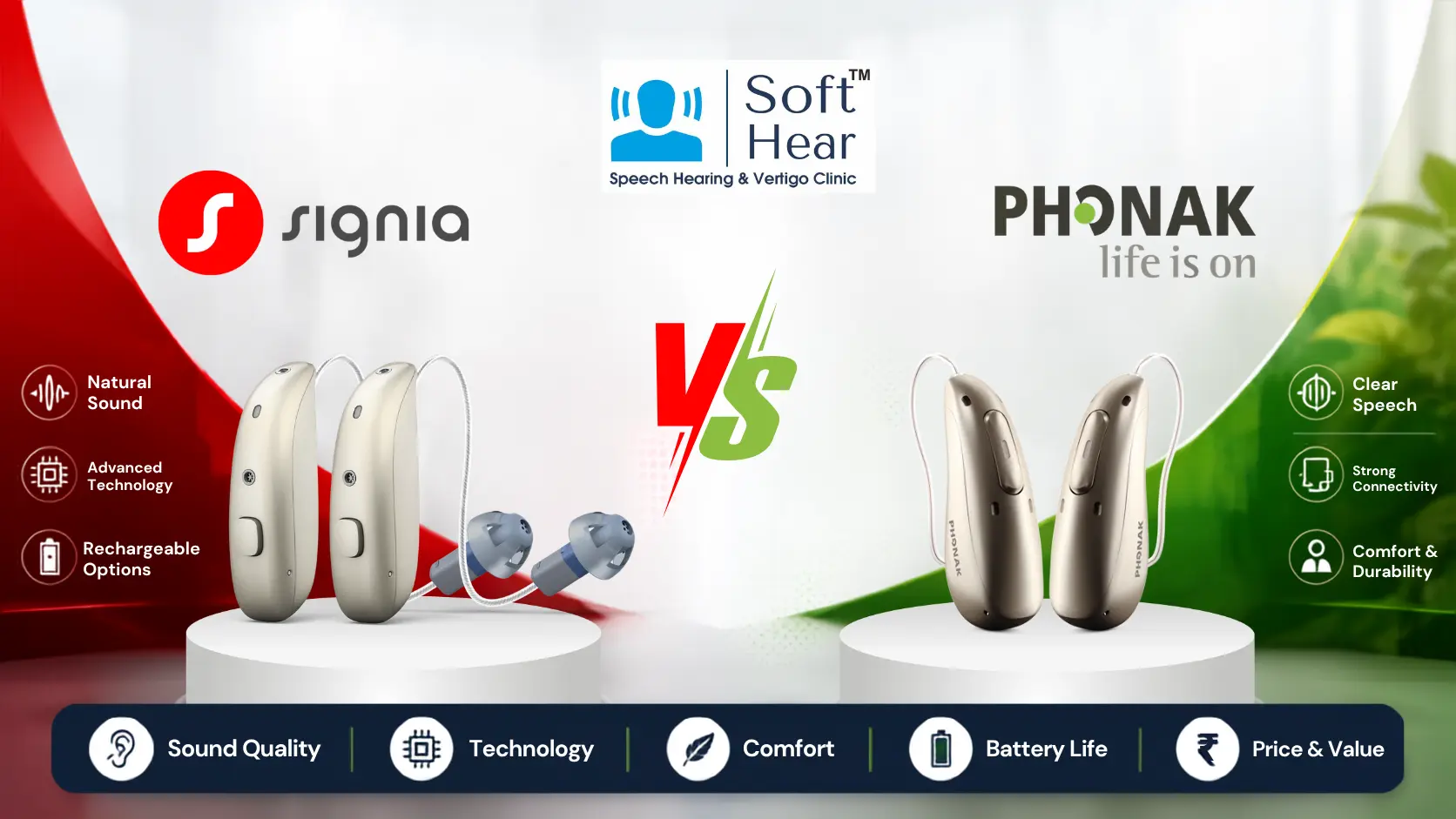
1. Signia Hearing Aids – Smart technology, affordable price
Signia is part of WS Audiology, one of the world’s leading hearing aid manufacturers, combining innovative technology with elegant design. The brand is known for its clear speech understanding, excellent connectivity and user friendly hearing solutions in different price segments.
Signia has a few entry-level and mid-range technology options that provide great value for first-time hearing aid users.
So what’s different about Signia?
One of Signia’s biggest strengths is its ability to make conversations sound natural rather than just amplifying everything. Improved digital signal processing provides enhanced speech quality and reduces the impact of unwanted ambient noise.
Many of Signia’s affordable models now have:
- Digital domain sound processing
- Directional adaptive microphones
- Canceling feedback
- Simple speech enhancement
- Noise control
- Rechargeable options
- Bluetooth connectivity in select models
- Compatible with smartphone app
Best For
Signia hearing aids work especially well for:
- First-time user of hearing aid
- Employees
- Senior citizens
- Mild to profound hearing loss
- Those seeking excellent speech clarity
Low Prices Popular Product Lines
- Signia Prompt
- Intuis by Signia
- Signia Motion
- Select Signia Pure RIC styles
These product families have different levels of technologies and users can choose according to their hearing needs and budget.
2. Phonak Hearing Aids – Outstanding Speech Understanding
Phonak is a Swiss manufacturer that has long been known as one of the most trusted names in hearing healthcare.
Phonak puts a lot of effort into helping users understand speech in difficult listening environments like restaurants, family gatherings, meetings and classrooms.
The company invests in research all the time, not to have more volume, but to have better communication.
Main Features
Many Phonak hearing aids feature technologies such as:
- AutoSense OS auto environment detection
- Speech enhancement
- Adaptive noise filtering
- Batteries rechargeable
- Bluetooth universal connection
- Remote programing.
- Tinnitus management features (select models)
Why Choose Phonak?
Phonak has the benefit of universal Bluetooth, so many of their hearing aids can connect to an Android or iPhone without needing any extra accessories.
This facilitates easier communication for users who often make phone calls or participate in meetings online on a daily basis.
Best For Phonak is best for:
- Active seniors
- Business professionals
- Travel extensively
- Moderate to profound hearing loss
- Phone user
Phonak’s premium devices are on the expensive side, but there are some great entry-level devices that offer great value for those wanting reliable performance.
3. ReSound Hearing Aids – Natural Hearing Experience
GN ReSound is a Danish company that has always focused on the creation of most natural sounding hearing aids.
ReSound’s goal isn’t to crank up every sound, but to help you stay aware of your surroundings while still making speech clear.
Many audiologists like ReSound as the users usually get used to the hearing aids quite fast.
You may be able to buy inexpensive ReSound hearing aids that have:
- Natural sound processing
- Environmental adaptation
- Wind noise minimized
- Directional mikes
- Rechargeable options
- Streaming via Bluetooth
- Smartphone control
Enjoy listening
Other users say that ReSound hearing aids can be worn for long periods of time as they don’t make everything sound too loud, but rather give a good balanced listening experience.
Best for ReSound hearing aids work well for:
- Social adults
- Professionals
- Outdoorsy folks
- Mild to profound hearing loss
- Users looking for natural sound quality
4. Starkey Hearing Aids – Innovation and Everyday Affordability
American manufacturer Starkey is renowned for blending hearing technology with health and wellness innovations.
The company’s top-of-the-line products include artificial intelligence and health tracking, but Starkey also sells affordable digital hearing aids with reliable everyday performance.
Affordable Features
Typically, entry-level Starkey hearing aids provide:
- Digital noise reduction
- Feedback management
- Talk optimisation
- Relaxed listening programs
- Rechargeable in some models
- Bluetooth compatibility at higher technology levels
Innovation Focused on Health
Starkey has been among the first to integrate hearing care with other wellness features.
Those premium features are usually confined to premium devices, but even when consumers purchase more affordable Starkey hearing aids , they’re still getting the company’s good research and engineering.
Best For Starkey is ideal for:
- Older
- Experts
- New members
- People who want easy operation
- Hearing loss, mild to severe
5. Widex Hearing Aids - Hear Music in Its Natural Sound
Widex has built an international reputation for producing natural sound quality.
Widex hearing aids are loved by musicians, music lovers and anyone sensitive to the quality of audio processing.
Core technology
Depending on technology level, Widex hearing aids can include:
- Natural sound handling
- Smart environmental adaptation
- Speech enhancement of
- Rechargeable technology and Bluetooth functionality
- Tailored listening programmes
Comfort
Many Widex hearing aid users tell me they don't get as fatigued listening in long conversations.
The purpose of the devices is to reproduce sounds as naturally as possible, and not to create an artificial listening experience.
Best For Widex is best for:
- Those who love music
- Experts
- Moderate noise and quiet settings
- mild to a severe hearing loss
Although Widex is usually associated with premium hearing aids, some entry-level models provide a great alternative for users who want high-quality sound without the investment in flagship technology.
6. Beltone Hearing Aids - Custom Hearing Solutions
Beltone has over 80 years of experience in hearing care and continues to develop the latest hearing aids for a range of lifestyles and budgets.
The brand strongly emphasizes personalized hearing experiences supported by professional audiologists.
Features
Beltone hearing aids may include affordable options such as:
- Amplificación digital
- Enhanced speech quality
- Noise control
- Directional microphones
- Bluetooth option in select models
- Batteries rechargeable
Why people choose Beltone?
The comfortable fitting process and range of technology levels is also liked by many Beltone users.
Beltone offers a variety of options whether someone is in need of a basic hearing aid for conversation at home or a more advanced solution for an active social life.
Best For
Beltone hearing aids work best for:
- the aged
- Family-oriented users
- From mild to severe hearing impairments
- Those seeking long-term hearing care support
What Influences the price of Hearing Aid?
Many people ask, “Why does the same brand of hearing aid cost so much?”
Technology is the answer.
There are quite a few factors that affect pricing.
1. Tech Level
Basic hearing aids provide basic amplification.
Advanced hearing aids come in several types:
- AI (Artificial Intelligence)
- Automatic recognition of the environment
- Enhanced speech enhancement
- Improved noise reduction
- More programmes of listening
Higher technology usually costs more.
2. Rechargeable Battery
Rechargeable hearing aids tend to cost more up-front but they save you the on-going expense of disposable batteries.
It could be of better long term value for a lot of users.
3. Bluetooth connection
Wireless streaming features are nice to have but they cost more.
For the average smartphone user the investment in Bluetooth is often well worth it.
4. Style of Hearing Aid
Smaller hearing aids require a lot of complex engineering.
Bigger BTE hearing aids often cost less than invisible hearing aids.
5. Professional Services
The price of a hearing aid usually includes a lot more than just the device.
Professional hearing care may consist of:
- Hearing assessment
- Hearing aid fittings
- Programming
- Follow-up changes
- Warranty service
- Cleaning
- Service
- Reparations
These services are essential for long-term satisfaction.
The risks of looking only at Price
If you choose the cheapest hearing aid without professional guidance, you may end up with poor speech understanding, discomfort and frustration.
Don’t buy a hearing aid just because it is on sale at a bargain price.
Buy on the basis of:
- The results of your hearing test
- Life Style
- Work environment
- Communication needs
- Agility
- Budgeting
- Long term support
A good fitting hearing aid which costs Rs. 35,000 can very often give you much better results than an ill-suited one which you buy for Rs. 15,000 without consultation.
By now you know the best affordable hearing aid isn’t the cheapest. The perfect device is the one that fits your hearing loss, lifestyle, communication needs and long-term expectations.
With dozens of brands, styles and technologies on the market in 2026, the final decision can seem daunting. In this section we will make it easier for you by focusing on what you should consider before you purchase a hearing aid, common mistakes and why you need professional help for successful hearing rehabilitation.
How to Choose the Best Inexpensive Hearing Aid?
No journey to hearing is the same. Two people with the same hearing test results may have very different listening needs based on their daily activities, work environment and personal preferences.
These are the most important things to know before you choose a hearing aid.
1. Know Your Hearing Loss
The most important thing is to get a full hearing evaluation. Hearing loss differs not only in severity but also in the frequencies that are affected.
For example, one person may have trouble hearing high-pitched speech sounds such as "s," "f," and "th," while another may have difficulty hearing low-frequency sounds. Rather than simply increasing overall volume, a hearing aid must be programmed to address these specific hearing needs.
A professional hearing screening can reveal:
- Nature of the hearing loss
- Degree of hearing impairment
- Which ear is involved
- Which ear (or both) needs a hearing aid
- Right level of amplification
- Hearing aids proper
Without this information, picking a hearing aid is a guessing game.
2. Think About Your Lifestyle
Choose a hearing aid based on your daily activities.
Question yourself:
- Do you spend most of your time at home?
- Do you attend business meetings frequently?
- Are you socially active?
- Do you travel often?
- Do you use the smartphones frequently?
- Do you like outdoors?
- Are you a member of any religious or community groups?
Someone who stays mostly at home might be quite happy with an entry level digital hearing aid. Additional features that a working professional who attends meetings, takes frequent calls and visits noisy environments may benefit from include directional microphones, Bluetooth connectivity and advanced noise reduction.
3. Select the Most Important Features
Today’s hearing aids come packed with a variety of features, but not all users need them all.
When comparing devices consider:
Batteries (rechargeable)
Rechargeable hearing aids are convenient for those users who would rather charge the hearing aids overnight than change tiny disposable batteries.
Bluetooth Connection
If you regularly use a smartphone, then Bluetooth enabled hearing aids can make phone calls, video meetings and audio streaming more convenient.
Noise Cancelling
Those in loud environments may get more benefit from improved noise control in hearing aids.
Automatic Environment Classification
Some hearing aids automatically adjust settings when moving from quiet to noisy surroundings, reducing the need for manual adjustments.
Mobile Apps
Most hearing aids today can be controlled using a mobile app so that users can adjust the volume, switch listening programs or check the battery.
Picking just the features you really need can help you stay within your budget without sacrificing excellent hearing performance.
4. Choosing the right style of hearing aid
The type of hearing aid will affect comfort, appearance, maintenance and performance.
Behind-the-Ear (BTE)
Best for:
- Moderate to profound hearing loss
- Upperclassmen
- Long lasting durable
- User friendly
Receiver-In-Canal (RIC)
Best suited for:
- Active aging
- First time users
- People looking for inconspicuous appearance
- Realistic sounds
In the Ear (ITE)
Perfect for:
- Customers looking for a tailor-made solution
- Moderate dexterity folks
- Everyday wear that you can be comfortable in
Your audiologist will recommend the style that is best for you, based on your hearing test results and the shape of your ear.
Common Mistakes When You Buy Hearing Aids
If you get the wrong hearing aid, you could end up frustrated, unable to communicate well and out of pocket unnecessarily. Errors to Avoid:
Buying without hearing test
Don't ever buy a hearing aid without understanding what your hearing loss is, and how severe it is. However, sophisticated the device may be, without correct programming it will not give good results.
Selecting by Price Only
An inexpensive hearing aid may appeal initially but may lack vital features such as good programming, speech enhancement or good after sales support.
Instead of asking, “What is the cheapest hearing aid?” ask “What hearing aid will give me the best value for my hearing need?”
Forget About Professional Fitting
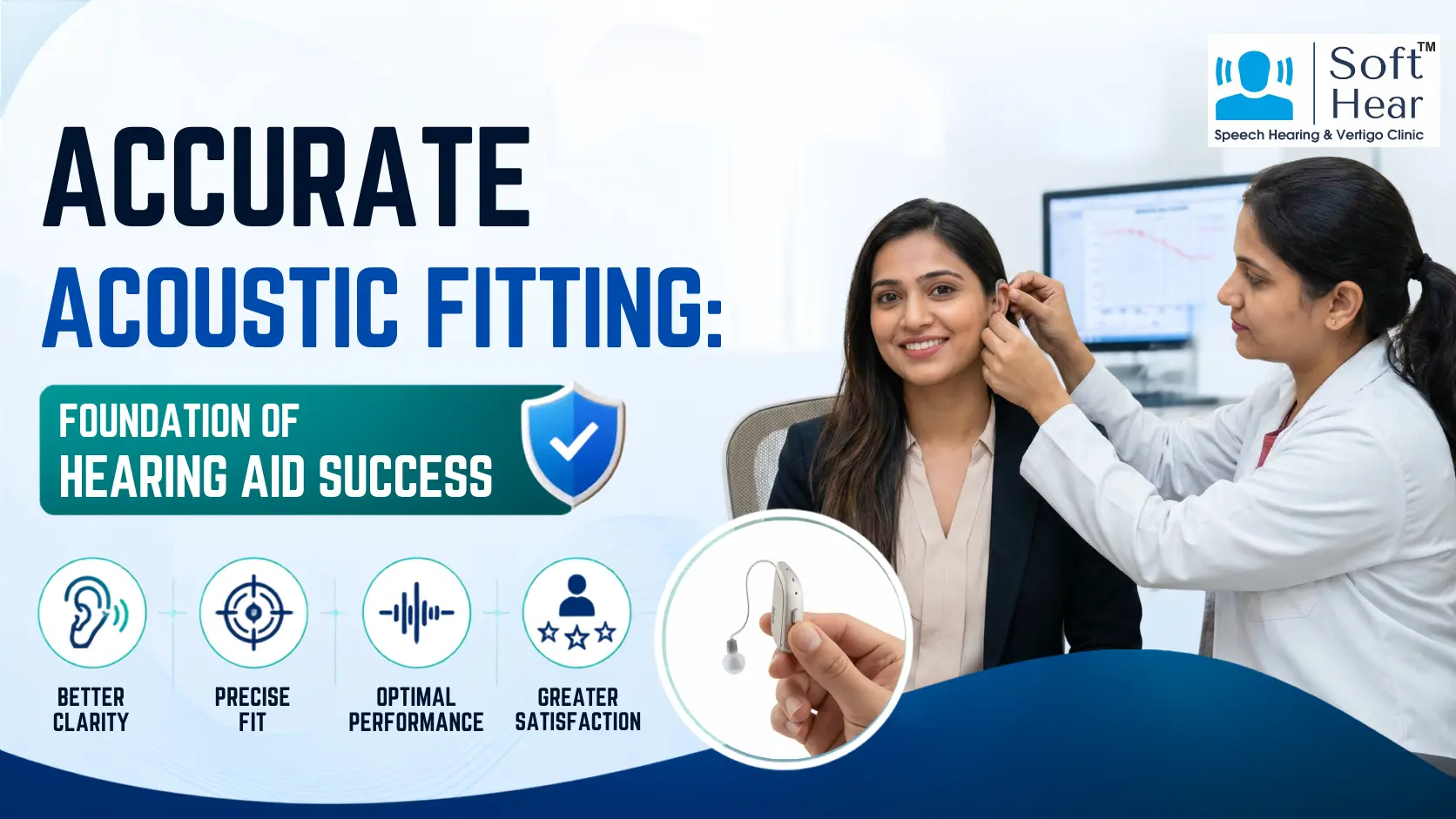
Today’s digital hearing aids have to be programmed to your audiogram. Good fit is important to avoid muffled speech, uncomfortable sounds and reduced satisfaction.
Real life situations work best with professional fine tuning of the hearing aid.
Seeking Instant Perfection
Hearing aids improve hearing, but they don’t restore hearing.
For most users a short period of adjustment is needed as the brain gets used to hearing sounds which may have been missing for months or years.
This period of adjustment involves routine check-ups to fine-tune performance.
Follow-Up Care Skipping
Your hearing aid needs to be adjusted from time to time as your hearing needs or listening environment changes.
Regular follow-up appointments help to ensure that:
- Correct programming
- Cleaning the device
- Performance evaluation
- Software Updates
- Maximum benefit from hearing
The Difference Professional Hearing Care Makes
A hearing aid is just one component of successful hearing rehabilitation. The skill of the audiologist is equally as important.
Professional hearing care consists of:
- Comprehensive assessment
- Lifestyle recommendations
- Hearing aid suggestion
- Device fit
- Real-ear measurements (when applicable)
- Changes in programming
- Training of users
- Maintenance recommendations
Update It's been a while
This personalization approach greatly enhances user satisfaction and long-term outcomes.
Why soft hear?
At Soft Hear, we believe that better hearing begins with expert guidance rather than simply selling hearing aids.
We first understand each person’s hearing challenges, lifestyle and budget so we can then recommend a suitable solution.
What to Expect at Soft Hear?
- All types of hearing tests
- Tailored hearing aid advice
- Selection of the best hearing aid brands in the world
- Fitting and programming of hearing aids by professionals
- Trial and demonstration options (where applicable)
- Care and maintenance tips
- Continuous after-sales support
- Transparent pricing and expert guidance
Whether it’s your first hearing aid or you’re upgrading to new technology, our expert audiologists will guide you to the right option for you with certainty.
Conclusion
The best affordable hearing aid in 2026 is not just the cheapest option, but rather the one that balances technology, comfort, lifestyle, and professional care.
Hearing aids today are more powerful, smaller and smarter than ever. Today, features such as rechargeable batteries, Bluetooth connectivity, automatic sound adjustment, speech enhancement and digital noise reduction are available in a wider range of price points, making quality hearing care more accessible than ever before.
But the success of a hearing aid depends not only on the device itself, but also on an accurate hearing assessment, personalised programming, expert fitting and ongoing support. A professionally selected hearing aid can make a difference in communication, confidence, relationships and the overall quality of life.
At Soft Hear we are on a mission to help every person experience better hearing through trusted expertise, advanced technology and caring care. We offer hearing solutions from world renowned brands like Signia, Phonak, ReSound, Starkey, Widex and Beltone so that each patient receives a recommendation that fits their individual hearing needs and budget.
If you or a loved one is struggling with hearing loss, don’t let it impact your day to day life. Book a professional hearing evaluation with Soft Hear today. Begin your journey to clearer conversations, greater confidence and a better quality of life.